Design
What Inclusive Design Gave Me
2024
/
4 Minutes
by
Jess Mendes
Share Article
The world we move through was designed by someone. Many of us just never really have to think about whether it was designed for us.
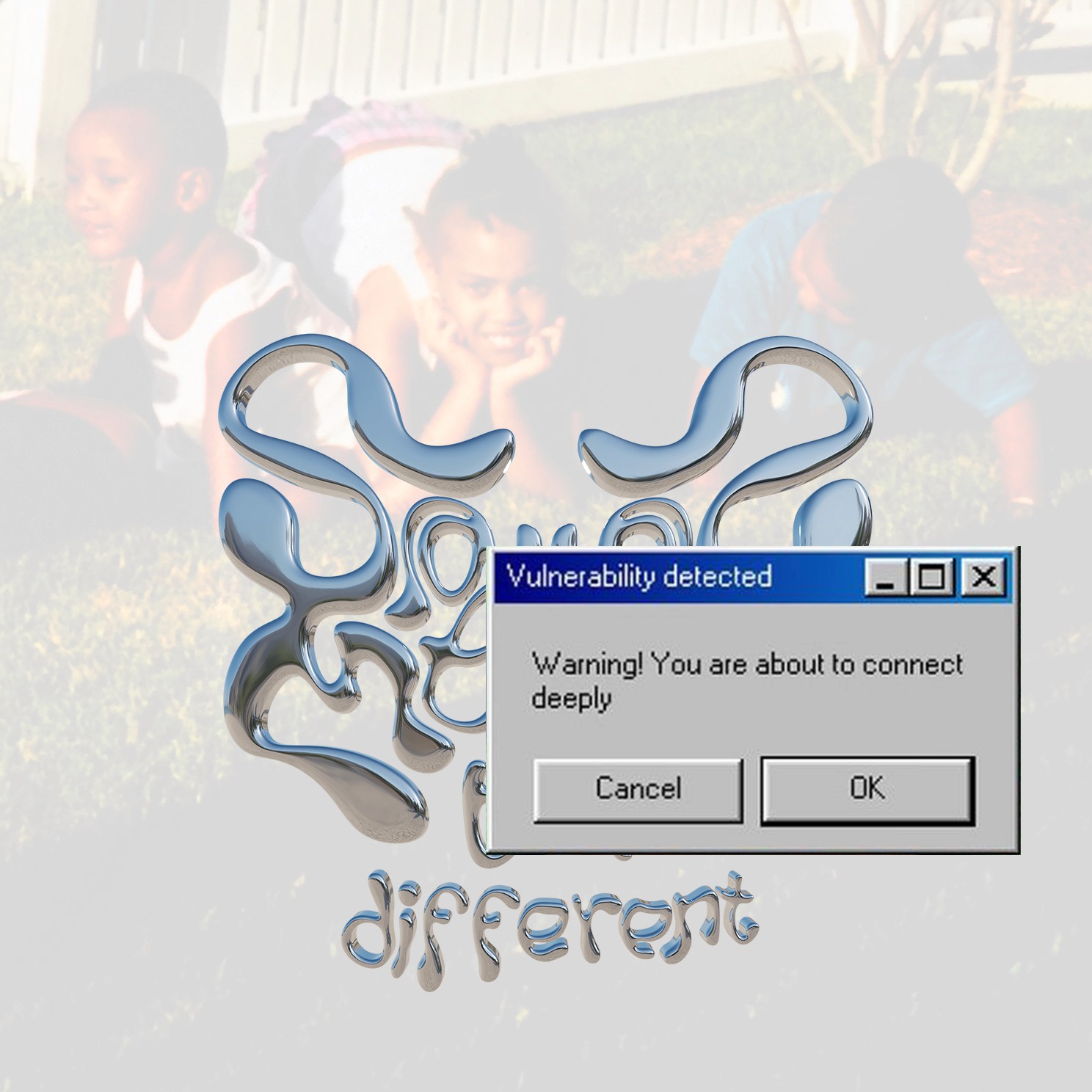
After the success of Same-Same but Different, I thought I understood something about design. I had created a zine and watched it move people. As a result I was offered the opportunity to join the Institute for Human Centered Design (IHCD) in Boston, and I quickly realized how much more there was to know.
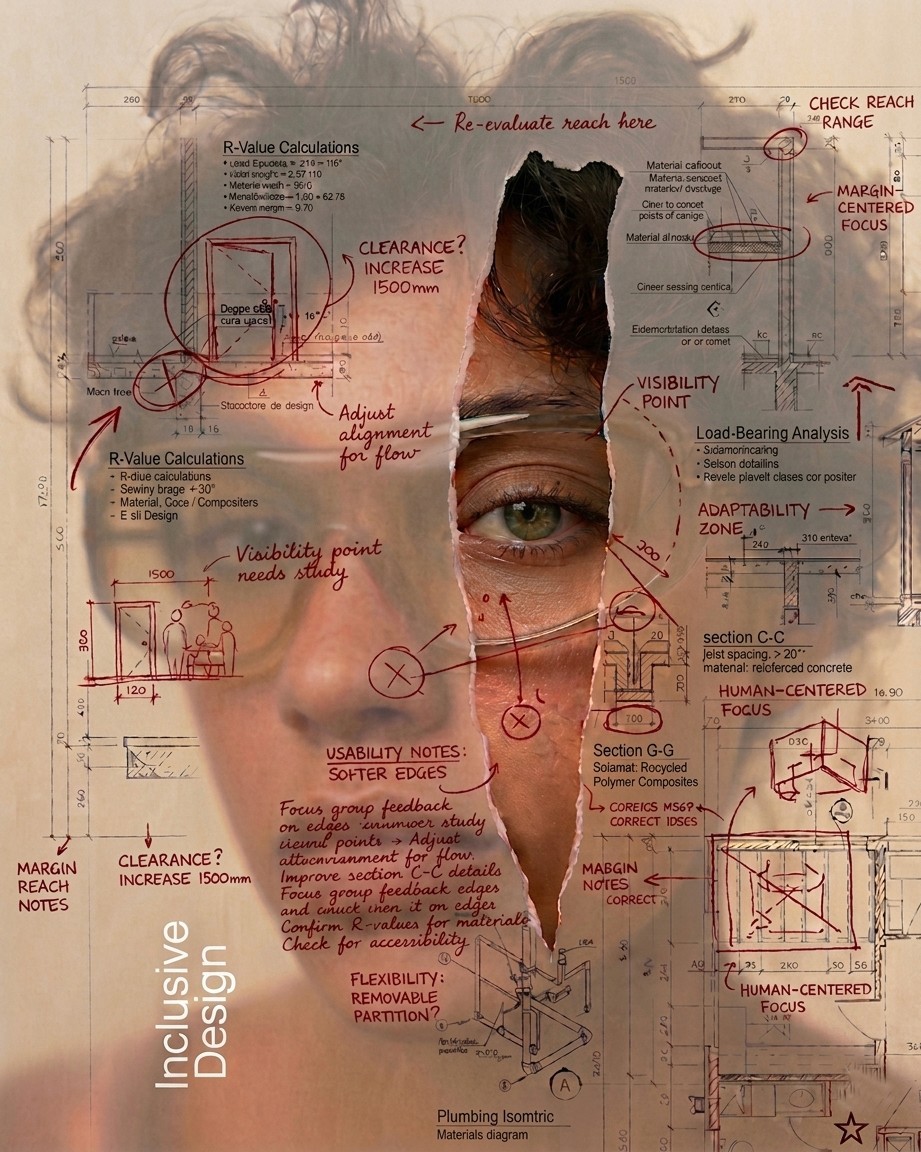
Founded in 1978, IHCD works at the intersection of design and human rights, advising governments, institutions, and world-renowned organizations on how to build environments that work for everyone. Inclusive design is the practice of centering the full range of human ability in every decision, from the very first one.
Walking into the world of inclusive design felt like learning a new language I hadn't known I was missing. My background was in creative strategy and production, brand campaigns, cultural moments, partnerships that moved culture forward. What I found at IHCD was design at its most elemental: shaping the public spaces, institutions, and systems that every person navigates, whether they think about design or not. I arrived as a cultural translator in a space that had been speaking its own precise language for decades. My charge was to bring that language to the world.
I led the development of IHCD's new media studio, a platform designed to bring inclusive design into the broader cultural conversation. Picture the visual sophistication of a design publication the accessibility and depth of public broadcasting, and the urgency of advocacy, made beautiful and widely available for free. We wanted to reach architects, designers and artists, city planners and community leaders, anyone with a hand in shaping how the world is built.
To bring that language to the world, I first had to learn to speak it.
For two years, I studied how a building communicates before anyone opens a door. I charted museums, transit systems, and public infrastructure through the lens of who they welcome and who they quietly exclude. I observed how a single decision, the contrast ratio on a website, the height of a counter, the width of a doorframe, determines whether someone participates fully in society or stands just outside it. IHCD's work was slower and more precise than anything I had done before. It rewired my sense of what design actually owes the people it serves.
Variation in human ability is ordinary, and most of us experience it at some point in our lives. Once you see who gets left out, you cannot design the same way again.
I contributed to raising over $500K to bring the studio to life, and the momentum was thrilling. Sadly, I left before it launched. Some work deserves to exist in the world regardless of who gets to finish it. That chapter closes the way some chapters do, cleanly and for the right reasons.
What I carry from those years is not a credential or a case study. It is a changed eye. Design that begins with the fullest understanding of who it serves becomes more generous, more precise, more alive. Inclusive design is not a specialty. It is the foundation. That lives at the center of everything I create now.
Other Articles
More to read